
adaptation and apocalypse

seed selection (n.) the process of choosing which seeds, from which plants within a current crop, to save for sowing the next season
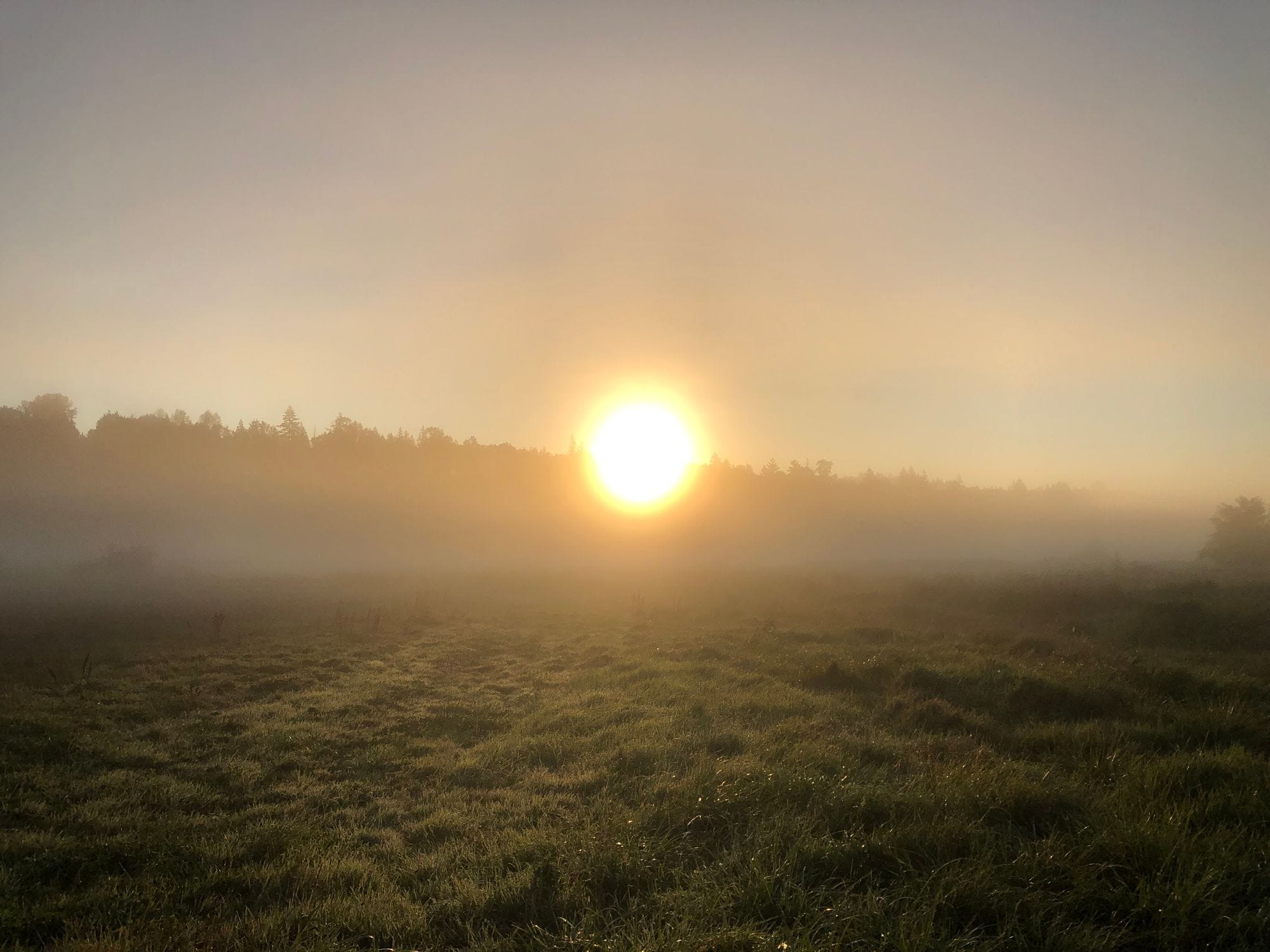
It's Wednesday when I start drafting this week. We went home early. I wanted to harvest green onions from out in the field for my dinner, but even for selfish purposes I could not agree to leave my body out in the smoke for a single moment longer than necessary. My eyes were watering, my throat still scraping against my own breath, my head hazy. I came home, wearing my N95 the whole way, and crawled into bed, where I promptly dreamed for nearly three hours. Apocalyptic dreams.
We use a map called Purple Air to track the air quality around us and project what's likely to happen where we are based on how the wind is blowing and what's happening in the places it's blowing from. When we made the decision, out in the field, to go home early, the AQI had just risen above 201 at the meter just south of us, reaching "Very Unhealthy." Up in town, less than a mile away, it read 268. We were all starting to hurt. None of us wanted to lose income, but it did not feel right to stay outside.
I texted my boss to let him know. "We're hurting out here," I wrote. He agreed that we could go home early.
It was a good call; AQI reached 300 and stayed there until late afternoon. But it was not a choice without consequence. We don't get paid time off, so if we're not outside working it will show up in our paychecks and can make paying our basic living expenses, already challenging, outright impossible.
We have no choice but to weigh our chances of survival in this way: the value of our bodies against the value of money – for the farm, profits; for us, our wages.
Everyone worried about the same thing: How can we survive a rapidly changing world?
There's a quote by speculative fiction writer William Gibson that has been reverberating in my mind since I first heard it: "The future is already here--it's just not very evenly distributed."
High-speed trains and private jets used so frequently we might as well call them flying cars. Devastating storms and dessicated lands, already wrecked by climate changes.
How you feel it – whether it arrives as a disembodied headline or an experience of your body in real-time – depends on where you are.
Someone tweeted: "Puerto Rico's present is your future."
The definition of apocalypse as a global event that overturns all systems simultaneously is limiting. Apocalypse is right now, and it is all around us.
The word in Greek means, literally, an un-covering. A reveal, if you will.
It is not the arrival of some new threat, but the revelation that what we have been building this whole time is not what we thought it was.
Keep reading with a 7-day free trial
Subscribe to Dream Decay (formerly Seesaw) to keep reading this post and get 7 days of free access to the full post archives.